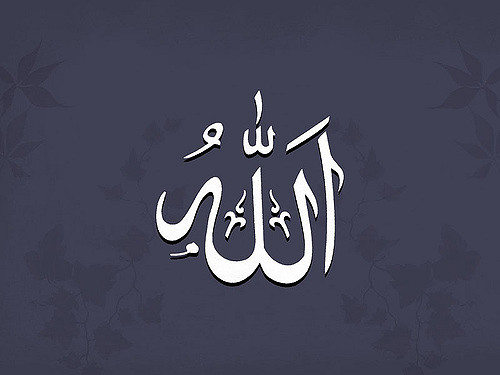
The 99 names of Allah are the descriptions of God found in the Quran and the hadith, listed here in the enumeration narrated by at-Tirmidhi. The table below gives every name in Arabic with full vowel marks, a transliteration, its meaning, its three-letter root, and one everyday Arabic word built on that same root.
Abu Hurairah reported Allah’s Messenger [Muhammad] (may peace be upon him) as saying: “There are ninety-nine names of Allah; he who commits them to memory would get into Paradise. Verily, Allah is Odd and He loves odd numbers. And in the narration of Ibn ‘Umar [the words are]: “He who enumerated them”.”— Muslim ibn al-Hajjaj, Sahih Muslim
The 99 Names of Allah, known in Arabic as al-Asma ul-Husna, the Most Beautiful Names, are the names by which Allah describes Himself in the Quran and in the teachings of the Prophet Muhammad (peace be upon him). Muslims recite them in supplication, reflect on their meanings, and, following the hadith above, memorize them as an act of devotion.
For a student of Arabic, the names carry a second benefit. Nearly every one is built on a trilateral root, the three-consonant core that generates families of related words, and these roots are among the most common in Arabic. Memorizing the list is devotional practice and vocabulary study at once.
Free printable PDF of the 99 names
The poster fits all 99 names on one page, each in Arabic with its transliteration. The list adds the meaning and root of every name, for revision on paper.
- 99 Names of Allah poster (PDF, one page, 112 KB)
- 99 Names of Allah list with meanings and roots (PDF, 99 KB)
For a class activity, the Arabic word search maker builds printable puzzles from Arabic words. The dates of the Day of Arafah and Eid al-Adha 2027 are compared country by country on a separate page.
The 99 names of Allah in Arabic, with meanings and roots
The full list runs from الرَّحْمَٰنُ Ar-Rahman, the Most Gracious, to الصَّبُورُ As-Sabur, the Most Patient. Each row below carries the name in vowelled Arabic, a transliteration, an English meaning, the root the name is built on, and one ordinary Arabic word that shares that root. The last column is the part you will still be using a year from now.
One caution before the table. The hadith above says that Allah has ninety-nine names; it does not list them. The list almost everyone uses comes from a separate narration recorded by at-Tirmidhi on the authority of al-Walid ibn Muslim, and scholars have long treated that enumeration as weaker than the hadith it is attached to. Ibn Majah records a second narration with a different set of names, and about a quarter of at-Tirmidhi's names do not appear in it. Later scholars, among them al-Bayhaqi, Ibn Hazm, Ibn Hajar al-Asqalani and Ibn Uthaymin, each compiled a list of their own from the Quran and the sunna rather than from a narration. Some compilations count the name Allah itself as the first of the ninety-nine and drop one attribute to keep the total. Read the table as the list in widest circulation rather than as a settled one. Many scholars also hold that Allah's names are not limited to ninety-nine at all.
Every name is written with full harakat, the short vowel marks, because those marks are what let you say a name correctly before you can recognise it by shape alone. The transliteration uses one scheme throughout: kh is the ch of Scottish loch, gh is a gargled r, ʿ is the letter ع, and ʾ is a glottal stop. Vowel length is not marked and the emphatic letters carry no dots, which leaves two pairs looking identical in the Latin column: 48 and 65 are both Al-Majid, and 55 and 77 are both Al-Wali. The Arabic column is what separates them.
| No. | Arabic | Transliteration | Meaning | Root | An everyday word from the same root |
|---|---|---|---|---|---|
| 1 | الرَّحْمَٰنُ | Ar-Rahman | The Most Gracious | ر ح م r-h-m | رَحْمَة rahma, mercy |
| 2 | الرَّحِيمُ | Ar-Rahim | The Most Merciful | ر ح م r-h-m | رَحِم rahim, womb |
| 3 | الْمَلِكُ | Al-Malik | The King | م ل ك m-l-k | مَمْلَكَة mamlaka, a kingdom |
| 4 | الْقُدُّوسُ | Al-Quddus | The Most Holy | ق د س q-d-s | الْقُدْس al-Quds, Jerusalem, the holy city |
| 5 | السَّلَامُ | As-Salam | The Peace | س ل م s-l-m | مُسْلِم muslim, one who submits |
| 6 | الْمُؤْمِنُ | Al-Muʾmin | The Giver of Security | أ م ن ʾ-m-n | أَمْن amn, security |
| 7 | الْمُهَيْمِنُ | Al-Muhaymin | The Guardian over all | ه ي م ن h-y-m-n | هَيْمَنَة haymana, dominance |
| 8 | الْعَزِيزُ | Al-ʿAziz | The Exalted in Might | ع ز ز ʿ-z-z | عِزَّة ʿizza, might, dignity |
| 9 | الْجَبَّارُ | Al-Jabbar | The Compeller | ج ب ر j-b-r | جَبْر jabr, algebra; the setting of a broken bone |
| 10 | الْمُتَكَبِّرُ | Al-Mutakabbir | The Supreme in Greatness | ك ب ر k-b-r | كَبِير kabir, big |
| 11 | الْخَالِقُ | Al-Khaliq | The Creator | خ ل ق kh-l-q | مَخْلُوق makhluq, a created thing |
| 12 | الْبَارِئُ | Al-Bariʾ | The Maker | ب ر أ b-r-ʾ | بَرِيء bariʾ, innocent |
| 13 | الْمُصَوِّرُ | Al-Musawwir | The Fashioner of forms | ص و ر s-w-r | صُورَة sura, a picture |
| 14 | الْغَفَّارُ | Al-Ghaffar | The Repeatedly Forgiving | غ ف ر gh-f-r | مَغْفِرَة maghfira, forgiveness |
| 15 | الْقَهَّارُ | Al-Qahhar | The Subduer | ق ه ر q-h-r | الْقَاهِرَة al-Qahira, Cairo, the vanquisher |
| 16 | الْوَهَّابُ | Al-Wahhab | The Bestower | و ه ب w-h-b | هِبَة hiba, a gift |
| 17 | الرَّزَّاقُ | Ar-Razzaq | The Provider | ر ز ق r-z-q | رِزْق rizq, livelihood |
| 18 | الْفَتَّاحُ | Al-Fattah | The Opener | ف ت ح f-t-h | مِفْتَاح miftah, a key |
| 19 | الْعَلِيمُ | Al-ʿAlim | The All-Knowing | ع ل م ʿ-l-m | عِلْم ʿilm, knowledge |
| 20 | الْقَابِضُ | Al-Qabid | The Withholder | ق ب ض q-b-d | قَبْضَة qabda, a fist |
| 21 | الْبَاسِطُ | Al-Basit | The Extender | ب س ط b-s-t | بَسِيط basit, simple |
| 22 | الْخَافِضُ | Al-Khafid | The One who lowers | خ ف ض kh-f-d | تَخْفِيض takhfid, a discount |
| 23 | الرَّافِعُ | Ar-Rafiʿ | The One who raises | ر ف ع r-f-ʿ | رَفَعَ rafaʿa, to lift |
| 24 | الْمُعِزُّ | Al-Muʿizz | The Giver of Honour | ع ز ز ʿ-z-z | عَزِيز ʿaziz, dear |
| 25 | الْمُذِلُّ | Al-Mudhill | The Giver of Dishonour | ذ ل ل dh-l-l | ذُلّ dhull, humiliation |
| 26 | السَّمِيعُ | As-Samiʿ | The All-Hearing | س م ع s-m-ʿ | سَمِعَ samiʿa, to hear |
| 27 | الْبَصِيرُ | Al-Basir | The All-Seeing | ب ص ر b-s-r | بَصَر basar, eyesight |
| 28 | الْحَكَمُ | Al-Hakam | The Judge | ح ك م h-k-m | حُكُومَة hukuma, a government |
| 29 | الْعَدْلُ | Al-ʿAdl | The Utterly Just | ع د ل ʿ-d-l | عَدَالَة ʿadala, justice |
| 30 | اللَّطِيفُ | Al-Latif | The Subtle and Kind | ل ط ف l-t-f | لُطْف lutf, gentleness |
| 31 | الْخَبِيرُ | Al-Khabir | The All-Aware | خ ب ر kh-b-r | خَبَر khabar, news |
| 32 | الْحَلِيمُ | Al-Halim | The Forbearing | ح ل م h-l-m | حُلْم hulm, a dream |
| 33 | الْعَظِيمُ | Al-ʿAzim | The Magnificent | ع ظ م ʿ-z-m | عَظَمَة ʿazama, greatness |
| 34 | الْغَفُورُ | Al-Ghafur | The All-Forgiving | غ ف ر gh-f-r | اسْتِغْفَار istighfar, seeking forgiveness |
| 35 | الشَّكُورُ | Ash-Shakur | The Most Appreciative | ش ك ر sh-k-r | شُكْرًا shukran, thank you |
| 36 | الْعَلِيُّ | Al-ʿAli | The Most High | ع ل و ʿ-l-w | عَالِي ʿali, high |
| 37 | الْكَبِيرُ | Al-Kabir | The Most Great | ك ب ر k-b-r | أَكْبَر akbar, greater |
| 38 | الْحَفِيظُ | Al-Hafiz | The Preserver | ح ف ظ h-f-z | مَحْفَظَة mahfaza, a wallet |
| 39 | الْمُقِيتُ | Al-Muqit | The Nourisher | ق و ت q-w-t | قُوت qut, food, sustenance |
| 40 | الْحَسِيبُ | Al-Hasib | The Reckoner | ح س ب h-s-b | حِسَاب hisab, an account, a bill |
| 41 | الْجَلِيلُ | Al-Jalil | The Majestic | ج ل ل j-l-l | جَلَالَة jalala, majesty |
| 42 | الْكَرِيمُ | Al-Karim | The Most Generous | ك ر م k-r-m | كَرَم karam, generosity |
| 43 | الرَّقِيبُ | Ar-Raqib | The Watchful | ر ق ب r-q-b | مُرَاقَبَة muraqaba, surveillance |
| 44 | الْمُجِيبُ | Al-Mujib | The Answerer of prayer | ج و ب j-w-b | جَوَاب jawab, an answer |
| 45 | الْوَاسِعُ | Al-Wasiʿ | The All-Encompassing | و س ع w-s-ʿ | سَعَة saʿa, capacity |
| 46 | الْحَكِيمُ | Al-Hakim | The All-Wise | ح ك م h-k-m | حِكْمَة hikma, wisdom |
| 47 | الْوَدُودُ | Al-Wadud | The Most Loving | و د د w-d-d | مَوَدَّة mawadda, affection |
| 48 | الْمَجِيدُ | Al-Majid | The All-Glorious | م ج د m-j-d | مَجْد majd, glory |
| 49 | الْبَاعِثُ | Al-Baʿith | The Resurrector | ب ع ث b-ʿ-th | بَعْثَة baʿtha, a delegation, a mission |
| 50 | الشَّهِيدُ | Ash-Shahid | The Witness | ش ه د sh-h-d | شَهَادَة shahada, a certificate, testimony |
| 51 | الْحَقُّ | Al-Haqq | The Truth | ح ق ق h-q-q | حَقِيقَة haqiqa, a fact |
| 52 | الْوَكِيلُ | Al-Wakil | The Trustee | و ك ل w-k-l | وَكَالَة wakala, an agency |
| 53 | الْقَوِيُّ | Al-Qawi | The All-Strong | ق و ي q-w-y | قُوَّة quwwa, strength |
| 54 | الْمَتِينُ | Al-Matin | The Firm | م ت ن m-t-n | مَتَانَة matana, sturdiness |
| 55 | الْوَلِيُّ | Al-Wali | The Protecting Friend | و ل ي w-l-y | وِلَايَة wilaya, a province, a state |
| 56 | الْحَمِيدُ | Al-Hamid | The Praiseworthy | ح م د h-m-d | حَمْد hamd, praise |
| 57 | الْمُحْصِي | Al-Muhsi | The One who counts all things | ح ص ي h-s-y | إِحْصَاء ihsaʾ, statistics, a census |
| 58 | الْمُبْدِئُ | Al-Mubdiʾ | The Originator of creation | ب د أ b-d-ʾ | بِدَايَة bidaya, a beginning |
| 59 | الْمُعِيدُ | Al-Muʿid | The Restorer | ع و د ʿ-w-d | إِعَادَة iʿada, a repeat |
| 60 | الْمُحْيِي | Al-Muhyi | The Giver of Life | ح ي ي h-y-y | حَيَاة hayat, life |
| 61 | الْمُمِيتُ | Al-Mumit | The Bringer of Death | م و ت m-w-t | مَوْت mawt, death |
| 62 | الْحَيُّ | Al-Hayy | The Ever-Living | ح ي ي h-y-y | حَيَوَان hayawan, an animal |
| 63 | الْقَيُّومُ | Al-Qayyum | The Self-Subsisting | ق و م q-w-m | قَامَ qama, to stand up |
| 64 | الْوَاجِدُ | Al-Wajid | The Finder | و ج د w-j-d | وَجَدَ wajada, to find |
| 65 | الْمَاجِدُ | Al-Majid | The Illustrious | م ج د m-j-d | تَمْجِيد tamjid, glorification |
| 66 | الْوَاحِدُ | Al-Wahid | The One | و ح د w-h-d | وَاحِد wahid, one |
| 67 | الْأَحَدُ | Al-Ahad | The Indivisible One | أ ح د ʾ-h-d | يَوْم الْأَحَد yawm al-ahad, Sunday |
| 68 | الصَّمَدُ | As-Samad | The Eternal Refuge | ص م د s-m-d | صُمُود sumud, steadfastness |
| 69 | الْقَادِرُ | Al-Qadir | The Able | ق د ر q-d-r | قُدْرَة qudra, ability |
| 70 | الْمُقْتَدِرُ | Al-Muqtadir | The Omnipotent | ق د ر q-d-r | مِقْدَار miqdar, an amount |
| 71 | الْمُقَدِّمُ | Al-Muqaddim | The One who brings forward | ق د م q-d-m | مُقَدِّمَة muqaddima, an introduction |
| 72 | الْمُؤَخِّرُ | Al-Muʾakhkhir | The One who delays | أ خ ر ʾ-kh-r | تَأْخِير taʾkhir, a delay |
| 73 | الْأَوَّلُ | Al-Awwal | The First | أ و ل ʾ-w-l | أَوَّل awwal, first |
| 74 | الْآخِرُ | Al-Akhir | The Last | أ خ ر ʾ-kh-r | أُخْرَى ukhra, another |
| 75 | الظَّاهِرُ | Az-Zahir | The Manifest | ظ ه ر z-h-r | مَظْهَر mazhar, appearance |
| 76 | الْبَاطِنُ | Al-Batin | The Hidden | ب ط ن b-t-n | بَطْن batn, the stomach |
| 77 | الْوَالِي | Al-Wali | The Patron | و ل ي w-l-y | مَوْلَى mawla, a master, a patron |
| 78 | الْمُتَعَالِي | Al-Mutaʿali | The Most Exalted | ع ل و ʿ-l-w | أَعْلَى aʿla, higher |
| 79 | الْبَرُّ | Al-Barr | The Source of Goodness | ب ر ر b-r-r | بِرّ birr, dutiful kindness |
| 80 | التَّوَّابُ | At-Tawwab | The Ever-Accepting of Repentance | ت و ب t-w-b | تَوْبَة tawba, repentance |
| 81 | الْمُنْتَقِمُ | Al-Muntaqim | The Avenger | ن ق م n-q-m | انْتِقَام intiqam, revenge |
| 82 | الْعَفُوُّ | Al-ʿAfuww | The Pardoner | ع ف و ʿ-f-w | عَفْوًا ʿafwan, excuse me, you are welcome |
| 83 | الرَّؤُوفُ | Ar-Raʾuf | The Most Kind | ر أ ف r-ʾ-f | رَأْفَة raʾfa, compassion |
| 84 | مَالِكُ الْمُلْكِ | Malik al-Mulk | Owner of All Sovereignty | م ل ك m-l-k | مِلْك milk, property |
| 85 | ذُو الْجَلَالِ وَالْإِكْرَامِ | Dhu al-Jalal wa-l-Ikram | Owner of Majesty and Honour | ج ل ل + ك ر م j-l-l + k-r-m | تَكْرِيم takrim, honouring someone |
| 86 | الْمُقْسِطُ | Al-Muqsit | The Equitable | ق س ط q-s-t | قِسْط qist, an instalment |
| 87 | الْجَامِعُ | Al-Jamiʿ | The Gatherer | ج م ع j-m-ʿ | جَامِعَة jamiʿa, a university |
| 88 | الْغَنِيُّ | Al-Ghani | The Self-Sufficient | غ ن ي gh-n-y | غَنِيّ ghani, rich |
| 89 | الْمُغْنِي | Al-Mughni | The Enricher | غ ن ي gh-n-y | غِنَى ghina, wealth |
| 90 | الْمَانِعُ | Al-Maniʿ | The Preventer | م ن ع m-n-ʿ | مَمْنُوع mamnuʿ, forbidden |
| 91 | الضَّارُّ | Ad-Darr | The Bringer of Adversity | ض ر ر d-r-r | ضَرَر darar, harm |
| 92 | النَّافِعُ | An-Nafiʿ | The Bringer of Benefit | ن ف ع n-f-ʿ | مَنْفَعَة manfaʿa, a benefit |
| 93 | النُّورُ | An-Nur | The Light | ن و ر n-w-r | مَنَارَة manara, a lighthouse, a minaret |
| 94 | الْهَادِي | Al-Hadi | The Guide | ه د ي h-d-y | هِدَايَة hidaya, guidance |
| 95 | الْبَدِيعُ | Al-Badiʿ | The Incomparable Originator | ب د ع b-d-ʿ | بِدْعَة bidʿa, an innovation |
| 96 | الْبَاقِي | Al-Baqi | The Everlasting | ب ق ي b-q-y | بَقِيَّة baqiyya, the remainder |
| 97 | الْوَارِثُ | Al-Warith | The Inheritor | و ر ث w-r-th | مِيرَاث mirath, an inheritance |
| 98 | الرَّشِيدُ | Ar-Rashid | The Guide to the Right Path | ر ش د r-sh-d | رُشْد rushd, maturity, right judgement |
| 99 | الصَّبُورُ | As-Sabur | The Most Patient | ص ب ر s-b-r | صَبْر sabr, patience |
Using the names to build Arabic vocabulary
Arabic vocabulary grows by root. The root ر ح م r-h-m produces الرَّحْمَٰنُ Ar-Rahman, the Most Gracious, and الرَّحِيمُ Ar-Rahim, the Most Merciful, the names that open nearly every chapter of the Quran, and it also produces رَحْمَة rahma, mercy, and رَحِم rahim, womb. Learn one name and several common words come with it.
The root غ ف ر gh-f-r behind الْغَفُورُ Al-Ghafur, the All-Forgiving, also gives مَغْفِرَة maghfira, forgiveness, and the everyday phrase أَسْتَغْفِرُ اللَّه astaghfirullah, which you will hear a dozen times a day in any Arab country and which we cover with the rest of the Islamic phrases in Arabic and when to say them. The root ع ل م ʿ-l-m behind الْعَلِيمُ Al-ʿAlim, the All-Knowing, gives عِلْم ʿilm, knowledge, and مُعَلِّم muʿallim, teacher. The root س ل م s-l-m behind السَّلَامُ As-Salam, the Peace, underlies سَلَام salam, peace, the greeting السَّلَامُ عَلَيْكُمْ as-salamu ʿalaykum, and the words Islam and Muslim themselves.
Counting the roots in the table gives a number worth knowing before you start. The 99 names are built on 86 distinct roots, because thirteen roots produce two names each. Those thirteen are the ones to learn first, since each of them pays twice.
| Root | First name | Second name | What the root means |
|---|---|---|---|
| ر ح م r-h-m | 1. Ar-Rahman | 2. Ar-Rahim | mercy |
| م ل ك m-l-k | 3. Al-Malik | 84. Malik al-Mulk | owning, ruling |
| ع ز ز ʿ-z-z | 8. Al-ʿAziz | 24. Al-Muʿizz | might, being held dear |
| ك ب ر k-b-r | 10. Al-Mutakabbir | 37. Al-Kabir | being great or large |
| غ ف ر gh-f-r | 14. Al-Ghaffar | 34. Al-Ghafur | covering over, forgiving |
| ح ك م h-k-m | 28. Al-Hakam | 46. Al-Hakim | judging, wisdom |
| ع ل و ʿ-l-w | 36. Al-ʿAli | 78. Al-Mutaʿali | height, rising |
| م ج د m-j-d | 48. Al-Majid | 65. Al-Majid | glory |
| و ل ي w-l-y | 55. Al-Wali | 77. Al-Wali | nearness, guardianship |
| ح ي ي h-y-y | 60. Al-Muhyi | 62. Al-Hayy | life |
| ق د ر q-d-r | 69. Al-Qadir | 70. Al-Muqtadir | power, measure |
| أ خ ر ʾ-kh-r | 72. Al-Muʾakhkhir | 74. Al-Akhir | coming after, lateness |
| غ ن ي gh-n-y | 88. Al-Ghani | 89. Al-Mughni | wealth, being free of need |
Two of those pairs are the reason the transliteration column has duplicates. Al-Majid at 48 and Al-Majid at 65 are different Arabic words, الْمَجِيدُ and الْمَاجِدُ, from the same root and in different patterns; the same holds for Al-Wali at 55, الْوَلِيُّ, and Al-Wali at 77, الْوَالِي. Reading the pairs side by side is a short lesson in how Arabic patterns work, which is more useful than treating one of them as a typo.
The same root also explains why several names look like near-duplicates. الْغَفَّارُ Al-Ghaffar and الْغَفُورُ Al-Ghafur are both forgiveness on غ ف ر gh-f-r, in two different patterns: the first is the pattern Arabic uses for a trade or a habit, as in خَبَّاز khabbaz, a baker, and the second is the plain intensive adjective. Arabic builds meaning by dropping a root into a pattern, and the list of names happens to be a compact catalogue of the patterns. Once that clicks, الْقَادِرُ Al-Qadir and الْمُقْتَدِرُ Al-Muqtadir stop being two words to memorise and become one root in two shapes.
You already know some of these names without knowing it. Arabic given names built from عَبْد ʿabd, servant, plus a divine name are among the most common in the Arab world: عَبْد الرَّحْمَٰن ʿAbd ar-Rahman, servant of the Most Gracious; عَبْد الْعَزِيز ʿAbd al-ʿAziz, servant of the Exalted in Might; عَبْد الْكَرِيم ʿAbd al-Karim; عَبْد اللَّطِيف ʿAbd al-Latif. The shape never varies, so anyone who can read the table can read that whole family of names on sight.
For each name, learn the name, its root, and one everyday word from the same root, and say all three aloud. That is three cards' worth of value from one entry, and it is why the last column of the table exists. The same method works on ordinary Quranic vocabulary, which is why the most common words in the Quran are worth taking next.
How to memorize the 99 names of Allah
At one name a day the list takes just over three months, which is the pace most people who finish it use. The names are not in any order you can lean on, so the usual tricks of grouping by theme only go so far; spaced repetition does the work instead. Say each name aloud, since half the value is being able to pronounce the Arabic rather than recognise the English gloss.
The list is also available as a plain vocabulary file and as a shared Anki deck. The Anki deck suits this material because spaced repetition shows each card just before you would forget it, which is exactly the problem a ninety-nine-item list creates.
When the list is done, the roots you have learned carry straight into reading. Our guide to learning Quranic Arabic covers the grammar and the tools, and the rest of our Arabic vocabulary lists cover the everyday words the same roots produce.
Frequently asked questions
Are there exactly 99 names of Allah?
The hadith of Abu Hurairah states that Allah has ninety-nine names and that whoever commits them to memory will enter Paradise. The familiar list of 99 comes from a narration recorded by at-Tirmidhi, whose enumeration scholars consider weaker than the hadith itself, so compiled lists vary in a few names. Many scholars also hold that Allah's names are not limited to ninety-nine in total.
What does it mean to enumerate or memorize the names?
The Arabic word in the hadith, ahsaha, literally means to count or enumerate. Scholars have read it as memorizing the names, understanding their meanings, or calling upon Allah by them and living by what they imply; many commentators combine these readings. Learning the Arabic of each name supports all of them.
How long does it take to memorize all 99 names?
At one name a day, the full list takes just over three months. Some learners memorize the names in small groups of related meanings, or listen to recordings that recite the list in order. Regular review matters more than speed, and the Anki deck on this page handles it automatically.
How do you write the 99 names of Allah in English?
You transliterate them, because the names are Arabic and most have no single English equivalent. Two conventions do most of the work. The definite article al- assimilates before the fourteen sun letters, which is why the second name is written Ar-Rahim and not Al-Rahim. And the symbol for the letter ayn has no English sound at all, so it is written with a half ring. The table on this page uses one scheme throughout and prints the Arabic script beside it, so any spelling can be checked against the original.
What is the difference between Ar-Rahman and Ar-Rahim?
Both are built on the same root, r-h-m, which carries the sense of mercy, and the two open almost every chapter of the Quran together. They differ in Arabic pattern. Ar-Rahman follows an intensive pattern and Ar-Rahim a pattern that describes a settled quality, so commentaries on al-Fatiha, Ibn Kathir's among them, read the pair as two degrees of one mercy rather than as a repetition.