Arabic Vocabulary Lists > Clothes in Arabic
Clothes in Arabic is ملابس (malabis) in Modern Standard Arabic. Egyptians say هدوم (hudum), Gulf speakers say hdum too, and Levantine speakers say تياب (tyab) or أواعي (awaʿi). The first table gives 33 clothing words in all four varieties. The second names 18 traditional garments and where each is worn.
Transliteration follows the same scheme as our food words in the same four varieties: kh is the ch of Scottish loch, gh is a gargled r, ʿ is ع, and ʾ is a glottal stop. No dots under the emphatic letters. "Same as MSA" means the dialect uses the Modern Standard word unchanged. A dash means no published source confirmed a Gulf form.
Clothing vocabulary in four varieties
Of these 33 clothing words, only two are identical in Modern Standard, Egyptian, Levantine and Gulf Arabic: dress and blouse. Most of the rest are one word said with a different accent, like shirt (qamis, ʾamis, gamis). A handful are different words altogether, and shoes is the worst: four varieties, five words. Dialect forms are checked against Lingualism's Levantine lists, the Lisaan Masry Egyptian dictionary and the Atlas of Arabic Dialects.
| English | MSA | MSA transliteration | Egyptian | Levantine | Gulf |
|---|---|---|---|---|---|
| clothes | ملابس | malabis | هدوم hudum | تياب tyab (Lebanon) أواعي awaʿi (Palestine) | هدوم hdum |
| shirt | قميص | qamis | قميص ʾamis | قميص ʾamis | قميص gamis |
| T-shirt | تي شيرت | ti shirt | تيشيرت tishirt | كنزة kanze (Lebanon) بلوزة bluze (Palestine) | فنيلة fanila |
| trousers | بنطال | bantal | بنطلون bantalon | بنطلون bantalon | بنطلون bantalon سروال sirwal |
| jeans | جينز | jinz | چينز zhinz | same as MSA | بنطرون bantarun |
| dress | فستان | fustan | same as MSA | same as MSA | same as MSA |
| skirt | تنورة | tannura | جيبة zhiba | same as MSA | same as MSA |
| blouse | بلوزة | bluza | same as MSA | same as MSA | same as MSA |
| jacket | سترة | sutra | جاكيت zhakitt | جاكيت jaket | جاكيت jaket |
| coat | معطف | miʿtaf | بالطو balto | مانطو manto | كوت kot |
| sweater | سترة صوفية | sutra sufiyya | بلوفر biluvar | كنزة kanze | سويتر swetar (UAE) |
| suit | بذلة | badhla | بدلة badla | بدلة badle | same as MSA |
| tie | ربطة عنق | rabtat ʿunuq | كرافتة karavatta | كرافات kravat | كرفتة karafitta |
| pajamas | بيجامة | bijama | بيجامة bizhama | بيجاما bijama | — |
| shoes | حذاء | hidhaʾ | جزمة gazma | صباط sabbat (north) كندرة kundara (south) | جوتي juti |
| slippers | خف | khuff | شبشب shibshib | شحاطة shahhata | — |
| socks | جوارب | jawarib | شراب sharab | كلسات kalsat | دلاغ dlagh |
| hat | قبعة | qubbaʿa | برنيطة burneita | برنيطة burneita | كبوس kabbus |
| scarf (neck) | وشاح | wishah | كوفية kofiyya | لفحة lafha | — |
| headscarf | حجاب | hijab | طرحة tarha | same as MSA | شيلة shela |
| belt | حزام | hizam | same as MSA | قشاط ʾshat | same as MSA |
| جيب | jayb | جيب geb | جيبة jebe | مخبى mukhba | |
| button | زر | zirr | زرار zurar | same as MSA | same as MSA; in Kuwait دقمة digma |
| zipper | سحاب | sahhab | سوستة sosta | same as MSA | — |
| gloves | قفازات | quffazat | جوانتي gwanti | كفوف kfuf | دسوس dusus |
| bag | حقيبة | haqiba | شنطة shanta | شنطة shanta | جنطة janta |
| wardrobe | خزانة | khizana | دولاب dolab | خزانة khzane | كبت kabat |
| size | مقاس | maqas | مقاس maʾas | قياس ʾyas | — |
| fabric | قماش | qumash | قماش ʾumash | قماش ʾmash | — |
| cotton | قطن | qutn | قطن ʾutn | قطن ʾutun | قطن gitin |
| to wear | لبس، يلبس | labisa, yalbasu | لبس، يلبس libis, yilbis | لبس، يلبس libis, yilbis | لبس libas |
| to put on | ارتدى، يرتدي | irtada, yartadi | same verb as wear: libis | same verb as wear: libis | same verb as wear: libas |
| to take off | خلع، يخلع | khalaʿa, yakhlaʿu | قلع، يقلع ʾalaʿ, yiʾlaʿ | شلح، يشلح shalah, yishlah | فصّخ fassakh |
Traditional Arab clothing and what each garment is called
Traditional Arab clothing is regional: each garment has a home, and one robe can carry three names. Where no published source confirmed a name or region, we left it out.
| Garment | Arabic | Where it is worn | Who wears it, and notes |
|---|---|---|---|
| Thobe (thawb) | ثوب | Saudi Arabia, Qatar, Bahrain, Yemen | Men. Ankle-length robe; Saudi and Qatari cuts have a collar and buttons |
| Dishdasha | دشداشة | Kuwait, Oman, Iraq | Men. The thobe under another name; the Omani cut is collarless with a short neck tassel |
| Kandura | كندورة | United Arab Emirates | Men. Collarless, with a long tassel. In Morocco and Algeria the name gandoura covers other robes |
| Ghutra | غترة | The Gulf states | Men. Headcloth, usually plain white cotton |
| Shemagh (shmagh) | شماغ | Saudi Arabia, Jordan | Men. Red-and-white checked headcloth; a national symbol in Jordan |
| Keffiyeh, hatta | كوفية، حطة | Palestine, Syria, Lebanon | Men. The black-and-white Palestinian pattern. Palestinians mostly call it hatta |
| ʿIqal | عقال | The Gulf states | Men. Black double cord that holds the headcloth in place. Omani men do not wear it |
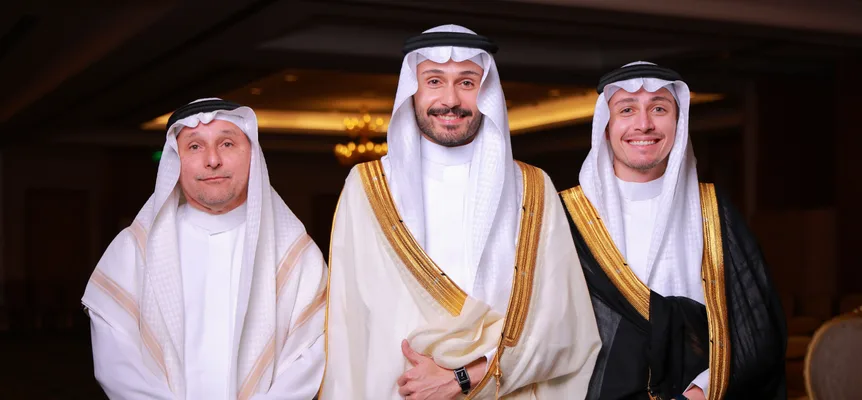
| Bisht, mishlah | بشت، مشلح | The Gulf states; called mishlah in Saudi Arabia | Men. Open cloak over the thobe for weddings, Eid, graduations and official events |
| Abaya | عباية | The Gulf states | Women. Black outer cloak worn in public |
| Shayla | شيلة | The Gulf states | Women. Long rectangular headscarf, pinned at the shoulders |
| Burqaʿ, battula | برقع، بطولة | UAE, Qatar, Bahrain, Oman | Women. Face mask with a metallic sheen, now worn mostly by older women |
| Nafnuf | نفنوف | Kuwait | Women. Traditional dress, now worn mainly at occasions such as Eid |
| Jalabiya (galabeya) | جلابية | Egypt, Sudan | Men and women. Wide collarless robe, Egypt's national dress. Egyptians say gallabiyya |
| Djellaba | جلابة | Morocco, Algeria | Men and women. Loose robe with a pointed hood called the qob |
| Kaftan | قفطان | Morocco | All genders and ages. Worn at weddings and festivals; on UNESCO's heritage list since 2025 |
| Sirwal | سروال | Across the Arab world | Men. Loose trousers worn under the robe |
| Taqiyah, gahfiya | طاقية، قحفية | The Gulf states; gahfiya in the UAE and Qatar | Men. Skullcap worn under the ghutra |
| Kumma | كمة | Oman | Men. Embroidered brimless cap, worn alone or under a turban |
One robe, three names: thobe, dishdasha and kandura
Thobe, dishdasha and kandura name the same ankle-length men's robe. Saudi Arabia, Qatar and Bahrain say thobe, Kuwait, Oman and Iraq say dishdasha, and the UAE says kandura.
Saudi and Qatari robes have a collar and buttons; Emirati and Omani ones have a tassel. The cloak worn over the robe for weddings and Eid is a bisht in most of the Gulf and a mishlah in Saudi Arabia. Our Gulf Arabic page covers the dialect these names come from.
How to say wear, put on and take off
To wear and to put on are one verb in spoken Arabic: لبس (libis in Egypt and the Levant, libas in the Gulf). Modern Standard Arabic adds a formal verb, ارتدى (irtada), which you read in the news but rarely hear.
Taking clothes off splits three ways, with unrelated verbs: Egyptian قلع (ʾalaʿ), Levantine شلح (shalah) and Gulf فصّخ (fassakh). Egyptian also turns j into a hard g, which is why جيب jayb, pocket, is geb in Cairo. The courses and books we recommend for Egyptian Arabic are on a page of their own.
To describe clothes you need colours, and a colour in Arabic agrees with the noun: a white thobe is ثوب أبيض (thawb abyad), a white abaya is عباية بيضاء (ʿabaya baydaʾ). See our colour words, with masculine and feminine forms. To say whose clothes they are, add the same possessive endings used on family and kinship words: هدومي (hudumi) is Egyptian for my clothes.
Arabic even has a proverb about who your clothes are for: كُل ما يعجبك والبس ما يعجب الناس (kul ma yiʿjibak wilbas ma yiʿjib in-nas), eat what you like and wear what pleases people. The Egyptian form is كل اللي يعجبك والبس اللي يعجب الناس (kul illi yiʿgibak wi-lbis illi yiʿgib in-nas). We explain the proverb about dressing for other people word by word. For any word above, paste the Arabic into our Arabic to English transliteration tool to see it in plain letters.
Notes, false friends and common mistakes
Two clothing words name different garments depending on the country: kofiyya and kanze.
كوفية is a neck scarf in Egypt
In Cairo, kofiyya is a neck scarf. In Palestine and the Levant, keffiyeh is the checked headcloth.
كنزة can be a T-shirt in Lebanon and is a sweater in Syria
Lebanese speakers use kanze for T-shirts too. In Syria it means a sweater. Palestinians say bluze instead.
Frequently asked questions
What are Arab clothes called?
Clothes in general are malabis in Modern Standard Arabic. The long men's robe is called a thobe in Saudi Arabia, Qatar and Bahrain, a dishdasha in Kuwait, Oman and Iraq, and a kandura in the UAE. Egypt and Sudan have the wide jalabiya. The men's headcloth is a ghutra (plain white) or shemagh (red and white), held by a black cord called the ʿiqal. Women in the Gulf wear the abaya cloak and the shayla headscarf.
How do you say "wear" in Arabic?
The verb is labisa in the past and yalbasu in the present in Modern Standard Arabic. Egyptian and Levantine speakers say libis and yilbis, and Gulf speakers say libas. Formal writing also uses irtada, to put on. The noun for clothes in Egypt, libs, comes from the same root.
What is outfit in Arabic?
There is no single everyday word. Modern Standard Arabic uses ziyy for an outfit or costume and taqm for a matching set. Levantine speakers say taʾm for a set of clothes. In the Gulf, kashkha describes looking well dressed rather than the outfit itself.
What to say dress in Arabic?
A dress is fustan, and it is the same word in Modern Standard, Egyptian, Levantine and Gulf Arabic. In Kuwait, nafnuf names a traditional women's dress worn at occasions like Eid. To dress, as a verb, is the same verb as to wear: libis in Egypt and the Levant.
What is the difference between a thobe, a dishdasha and a kandura?
They are the same garment, an ankle-length men's robe, named differently by country: thobe in Saudi Arabia, Qatar and Bahrain, dishdasha in Kuwait, Oman and Iraq, kandura in the UAE. The cut changes too. Saudi and Qatari thobes have a collar and buttons; Emirati and Omani robes are collarless with a tassel at the neck.