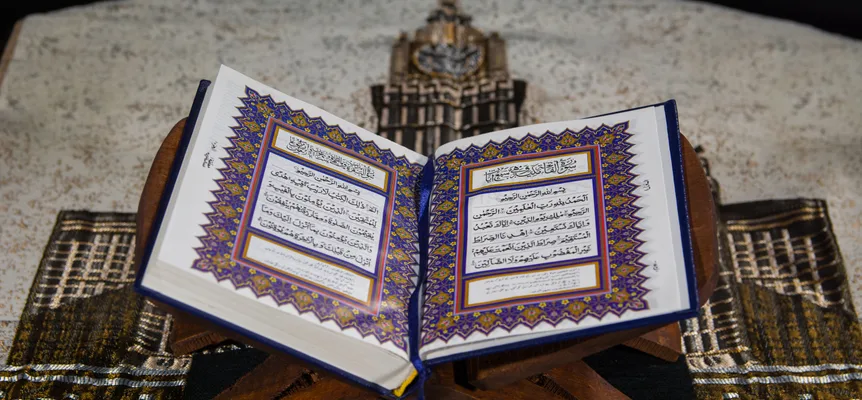
These are 27 Arabic duas from the Quran that open with رَبَّنَا rabbana, our Lord, or رَبِّ rabbi, my Lord. Each one is given in fully vowelled Arabic copied from the Quran text, with a transliteration, a plain-English meaning, its sura and verse, and who says it in the Quran. All 27 are in one free printable PDF.
The 27 Quranic duas, printable PDF (133 KB, 4 pages). There is no sign-up. It prints on US Letter, and on A4 with fit to page.
Download the Quranic duas PDF
The PDF holds the same 27 duas as the table below, one card per dua: the Arabic at the right in large type, the transliteration and the meaning under it, and the reference with the speaker. It is made to be read from, so the Arabic is set large enough to follow with a finger.
The Arabic is the Tanzil Project's Simple text of the Quran (version 1.1, tanzil.net, CC BY 3.0), copied unchanged and cut at the word where each dua begins. Every verse reference was checked against the text served by quran.com. The transliterations and the meanings are our own wording, not a published translation, so they are free to print with the sheet. The typeface is Noto Naskh Arabic, under the SIL Open Font License.
The 27 Rabbana and Rabbi duas, with meanings
The table follows the order of the Quran, from al-Baqara to at-Tahrim. Seventeen of the duas speak for a group and open with rabbana, our Lord; ten speak for one person and open with rabbi, my Lord. The last column picks one word from each dua, with its three-letter root, so the table doubles as a short vocabulary list.
The 27 are a selection. Counted on the Tanzil text, the Quran uses rabbana to address God 70 times, in 62 verses, and some of those are pleas made by people in the Fire rather than prayers anyone would choose to repeat. We kept the duas a reader would make for themselves, and added the ones that open with rabbi.
The transliteration uses one scheme throughout: kh is the ch of Scottish loch, gh is a gargled r, dh is the th of this, ʿ is the letter ع, and ʾ is a glottal stop. Vowel length and the emphatic letters are not marked, so the Arabic column is what tells س s from ص s. A hyphen shows a vowel that drops when two words run together: rabbana-ghfir is said as one word, rabbanaghfir.
| No. | Arabic | Transliteration | Meaning | Sura and verse | Who says it in the Quran | Key word |
|---|---|---|---|---|---|---|
| 1 | رَبَّنَا تَقَبَّلْ مِنَّا ۖ إِنَّكَ أَنتَ السَّمِيعُ الْعَلِيمُ | Rabbana taqabbal minna, innaka anta s-samiʿu l-ʿalim | Our Lord, accept this from us. You are the All-Hearing, the All-Knowing. | 2:127 Al-Baqara | Ibrahim and Ismail, raising the foundations of the Kaaba | تَقَبَّلْ taqabbal, accept (root ق ب ل) |
| 2 | رَبَّنَا وَاجْعَلْنَا مُسْلِمَيْنِ لَكَ وَمِن ذُرِّيَّتِنَا أُمَّةً مُّسْلِمَةً لَّكَ وَأَرِنَا مَنَاسِكَنَا وَتُبْ عَلَيْنَا ۖ إِنَّكَ أَنتَ التَّوَّابُ الرَّحِيمُ | Rabbana wa-jʿalna muslimayni laka wa min dhurriyyatina ummatan muslimatan lak, wa arina manasikana wa tub ʿalayna, innaka anta t-tawwabu r-rahim | Our Lord, make the two of us devoted to You, and make from our descendants a community devoted to You. Show us how to worship You, and turn to us in mercy. You are the One who accepts repentance, the Most Merciful. | 2:128 Al-Baqara | Ibrahim and Ismail | مَنَاسِكَنَا manasikana, our rites of worship (root ن س ك) |
| 3 | رَبَّنَا آتِنَا فِي الدُّنْيَا حَسَنَةً وَفِي الْآخِرَةِ حَسَنَةً وَقِنَا عَذَابَ النَّارِ | Rabbana atina fi d-dunya hasanatan wa fi l-akhirati hasanatan wa qina ʿadhaba n-nar | Our Lord, give us good in this world and good in the next, and keep us from the punishment of the Fire. | 2:201 Al-Baqara | Pilgrims at the end of Hajj, the ones the passage praises | حَسَنَةً hasanatan, something good (root ح س ن) |
| 4 | رَبَّنَا أَفْرِغْ عَلَيْنَا صَبْرًا وَثَبِّتْ أَقْدَامَنَا وَانصُرْنَا عَلَى الْقَوْمِ الْكَافِرِينَ | Rabbana afrigh ʿalayna sabran wa thabbit aqdamana wa-nsurna ʿala l-qawmi l-kafirin | Our Lord, pour patience over us, keep our feet firm, and help us against the people who deny the truth. | 2:250 Al-Baqara | Talut's soldiers, facing Jalut (Goliath) and his army | صَبْرًا sabran, patience (root ص ب ر) |
| 5 | رَبَّنَا لَا تُؤَاخِذْنَا إِن نَّسِينَا أَوْ أَخْطَأْنَا ۚ رَبَّنَا وَلَا تَحْمِلْ عَلَيْنَا إِصْرًا كَمَا حَمَلْتَهُ عَلَى الَّذِينَ مِن قَبْلِنَا ۚ رَبَّنَا وَلَا تُحَمِّلْنَا مَا لَا طَاقَةَ لَنَا بِهِ ۖ وَاعْفُ عَنَّا وَاغْفِرْ لَنَا وَارْحَمْنَا ۚ أَنتَ مَوْلَانَا فَانصُرْنَا عَلَى الْقَوْمِ الْكَافِرِينَ | Rabbana la tuʾakhidhna in nasina aw akhtaʾna, rabbana wa la tahmil ʿalayna isran kama hamaltahu ʿala lladhina min qablina, rabbana wa la tuhammilna ma la taqata lana bih, wa-ʿfu ʿanna wa-ghfir lana wa-rhamna, anta mawlana fa-nsurna ʿala l-qawmi l-kafirin | Our Lord, do not hold us to account if we forget or make a mistake. Our Lord, do not lay on us a burden like the one You laid on those before us. Our Lord, do not load us with more than we can carry. Pardon us, forgive us and have mercy on us. You are our Protector, so help us against the people who deny the truth. | 2:286 Al-Baqara | The believers, in the last verse of al-Baqara | تُؤَاخِذْنَا tuʾakhidhna, hold us to account (root أ خ ذ) |
| 6 | رَبَّنَا لَا تُزِغْ قُلُوبَنَا بَعْدَ إِذْ هَدَيْتَنَا وَهَبْ لَنَا مِن لَّدُنكَ رَحْمَةً ۚ إِنَّكَ أَنتَ الْوَهَّابُ | Rabbana la tuzigh qulubana baʿda idh hadaytana wa hab lana min ladunka rahmah, innaka anta l-wahhab | Our Lord, do not let our hearts turn aside after You have guided us, and give us mercy from Yourself. You are the Giver. | 3:8 Al ʿImran | Those firmly grounded in knowledge (3:7) | قُلُوبَنَا qulubana, our hearts (root ق ل ب) |
| 7 | رَبَّنَا إِنَّنَا آمَنَّا فَاغْفِرْ لَنَا ذُنُوبَنَا وَقِنَا عَذَابَ النَّارِ | Rabbana innana amanna fa-ghfir lana dhunubana wa qina ʿadhaba n-nar | Our Lord, we have believed, so forgive us our sins and keep us from the punishment of the Fire. | 3:16 Al ʿImran | The God-fearing (3:15) | ذُنُوبَنَا dhunubana, our sins (root ذ ن ب) |
| 8 | رَبِّ هَبْ لِي مِن لَّدُنكَ ذُرِّيَّةً طَيِّبَةً ۖ إِنَّكَ سَمِيعُ الدُّعَاءِ | Rabbi hab li min ladunka dhurriyyatan tayyibah, innaka samiʿu d-duʿaʾ | My Lord, give me good children from Yourself. You hear every prayer. | 3:38 Al ʿImran | Zakariyya, asking for a child | طَيِّبَةً tayyibatan, good, wholesome (root ط ي ب) |
| 9 | رَبَّنَا اغْفِرْ لَنَا ذُنُوبَنَا وَإِسْرَافَنَا فِي أَمْرِنَا وَثَبِّتْ أَقْدَامَنَا وَانصُرْنَا عَلَى الْقَوْمِ الْكَافِرِينَ | Rabbana-ghfir lana dhunubana wa israfana fi amrina wa thabbit aqdamana wa-nsurna ʿala l-qawmi l-kafirin | Our Lord, forgive us our sins and the times we went too far, keep our feet firm, and help us against the people who deny the truth. | 3:147 Al ʿImran | The followers of earlier prophets, in battle | وَإِسْرَافَنَا wa israfana, and our excess (root س ر ف) |
| 10 | رَبَّنَا ظَلَمْنَا أَنفُسَنَا وَإِن لَّمْ تَغْفِرْ لَنَا وَتَرْحَمْنَا لَنَكُونَنَّ مِنَ الْخَاسِرِينَ | Rabbana zalamna anfusana wa in lam taghfir lana wa tarhamna la-nakunanna mina l-khasirin | Our Lord, we have wronged ourselves. If You do not forgive us and have mercy on us, we will be among the losers. | 7:23 Al-Aʿraf | Adam and his wife, after eating from the tree | ظَلَمْنَا zalamna, we have wronged (root ظ ل م) |
| 11 | رَبَّنَا أَفْرِغْ عَلَيْنَا صَبْرًا وَتَوَفَّنَا مُسْلِمِينَ | Rabbana afrigh ʿalayna sabran wa tawaffana muslimin | Our Lord, pour patience over us, and let us die devoted to You. | 7:126 Al-Aʿraf | Pharaoh's magicians, after they believed | مُسْلِمِينَ muslimin, devoted to God (root س ل م) |
| 12 | رَبِّ اجْعَلْنِي مُقِيمَ الصَّلَاةِ وَمِن ذُرِّيَّتِي ۚ رَبَّنَا وَتَقَبَّلْ دُعَاءِ | Rabbi-jʿalni muqima s-salati wa min dhurriyyati, rabbana wa taqabbal duʿaʾ | My Lord, make me one who keeps up the prayer, and my children after me. Our Lord, accept my prayer. | 14:40 Ibrahim | Ibrahim | الصَّلَاةِ as-salati, the prayer (root ص ل و) |
| 13 | رَبَّنَا اغْفِرْ لِي وَلِوَالِدَيَّ وَلِلْمُؤْمِنِينَ يَوْمَ يَقُومُ الْحِسَابُ | Rabbana-ghfir li wa li-walidayya wa lil-muʾminina yawma yaqumu l-hisab | Our Lord, forgive me, my parents and all believers on the day the reckoning is held. | 14:41 Ibrahim | Ibrahim | وَلِوَالِدَيَّ wa li-walidayya, and my parents (root و ل د) |
| 14 | رَّبِّ ارْحَمْهُمَا كَمَا رَبَّيَانِي صَغِيرًا | Rabbi-rhamhuma kama rabbayani saghira | My Lord, have mercy on them both, as they raised me when I was small. | 17:24 Al-Isra | Every believer, for their parents: the verse tells us to say it | صَغِيرًا saghira, small, a small child (root ص غ ر) |
| 15 | رَبَّنَا آتِنَا مِن لَّدُنكَ رَحْمَةً وَهَيِّئْ لَنَا مِنْ أَمْرِنَا رَشَدًا | Rabbana atina min ladunka rahmatan wa hayyiʾ lana min amrina rashada | Our Lord, give us mercy from Yourself and guide our affair to what is right. | 18:10 Al-Kahf | The young men who took refuge in the cave | رَشَدًا rashada, right guidance (root ر ش د) |
| 16 | رَبِّ اشْرَحْ لِي صَدْرِي وَيَسِّرْ لِي أَمْرِي وَاحْلُلْ عُقْدَةً مِّن لِّسَانِي يَفْقَهُوا قَوْلِي | Rabbi-shrah li sadri, wa yassir li amri, wa-hlul ʿuqdatan min lisani, yafqahu qawli | My Lord, open my heart, make my task easy for me, and untie the knot in my tongue, so that they understand what I say. | 20:25-28 Ta Ha | Musa, before he faced Pharaoh | اشْرَحْ ishrah, open, widen (root ش ر ح) |
| 17 | رَّبِّ زِدْنِي عِلْمًا | Rabbi zidni ʿilma | My Lord, increase me in knowledge. | 20:114 Ta Ha | The Prophet Muhammad: the verse tells him to say it | عِلْمًا ʿilma, knowledge (root ع ل م) |
| 18 | رَبِّ لَا تَذَرْنِي فَرْدًا وَأَنتَ خَيْرُ الْوَارِثِينَ | Rabbi la tadharni fardan wa anta khayru l-warithin | My Lord, do not leave me alone with no heir. You are the best of heirs. | 21:89 Al-Anbiya | Zakariyya | فَرْدًا fardan, alone (root ف ر د) |
| 19 | رَّبِّ أَنزِلْنِي مُنزَلًا مُّبَارَكًا وَأَنتَ خَيْرُ الْمُنزِلِينَ | Rabbi anzilni munzalan mubarakan wa anta khayru l-munzilin | My Lord, let me land at a blessed landing place. You are the best of those who bring people to land. | 23:29 Al-Muʾminun | Nuh, told to say it on the ark | مُّبَارَكًا mubarakan, blessed (root ب ر ك) |
| 20 | رَّبِّ اغْفِرْ وَارْحَمْ وَأَنتَ خَيْرُ الرَّاحِمِينَ | Rabbi-ghfir wa-rham wa anta khayru r-rahimin | My Lord, forgive and have mercy. You are the best of those who show mercy. | 23:118 Al-Muʾminun | The Prophet Muhammad, in the last verse of al-Muʾminun | وَارْحَمْ wa-rham, and have mercy (root ر ح م) |
| 21 | رَبَّنَا اصْرِفْ عَنَّا عَذَابَ جَهَنَّمَ ۖ إِنَّ عَذَابَهَا كَانَ غَرَامًا | Rabbana-srif ʿanna ʿadhaba jahannam, inna ʿadhabaha kana gharama | Our Lord, turn the punishment of Hell away from us. Its punishment never lets go. | 25:65 Al-Furqan | The servants of the Most Merciful (25:63) | اصْرِفْ isrif, turn away (root ص ر ف) |
| 22 | رَبَّنَا هَبْ لَنَا مِنْ أَزْوَاجِنَا وَذُرِّيَّاتِنَا قُرَّةَ أَعْيُنٍ وَاجْعَلْنَا لِلْمُتَّقِينَ إِمَامًا | Rabbana hab lana min azwajina wa dhurriyyatina qurrata aʿyunin wa-jʿalna lil-muttaqina imama | Our Lord, give us spouses and children who bring joy to our eyes, and make us an example for those who are mindful of You. | 25:74 Al-Furqan | The servants of the Most Merciful | قُرَّةَ qurrata, comfort, coolness (of the eyes) (root ق ر ر) |
| 23 | رَبِّ هَبْ لِي حُكْمًا وَأَلْحِقْنِي بِالصَّالِحِينَ | Rabbi hab li hukman wa alhiqni bis-salihin | My Lord, give me wisdom and join me with the righteous. | 26:83 Ash-Shuʿara | Ibrahim | بِالصَّالِحِينَ bis-salihin, with the righteous (root ص ل ح) |
| 24 | رَبِّ إِنِّي لِمَا أَنزَلْتَ إِلَيَّ مِنْ خَيْرٍ فَقِيرٌ | Rabbi inni lima anzalta ilayya min khayrin faqir | My Lord, I am in need of any good You send down to me. | 28:24 Al-Qasas | Musa, in Madyan, after watering two women's flocks | فَقِيرٌ faqir, in need, poor (root ف ق ر) |
| 25 | رَبَّنَا اغْفِرْ لَنَا وَلِإِخْوَانِنَا الَّذِينَ سَبَقُونَا بِالْإِيمَانِ وَلَا تَجْعَلْ فِي قُلُوبِنَا غِلًّا لِّلَّذِينَ آمَنُوا رَبَّنَا إِنَّكَ رَءُوفٌ رَّحِيمٌ | Rabbana-ghfir lana wa li-ikhwanina lladhina sabaquna bil-iman, wa la tajʿal fi qulubina ghillan lilladhina amanu, rabbana innaka raʾufun rahim | Our Lord, forgive us and our brothers who came to faith before us, and leave no bitterness in our hearts toward those who believe. Our Lord, You are Most Kind, Most Merciful. | 59:10 Al-Hashr | The believers who came after the first Muslims of Madina | غِلًّا ghillan, bitterness, resentment (root غ ل ل) |
| 26 | رَّبَّنَا عَلَيْكَ تَوَكَّلْنَا وَإِلَيْكَ أَنَبْنَا وَإِلَيْكَ الْمَصِيرُ | Rabbana ʿalayka tawakkalna wa ilayka anabna wa ilayka l-masir | Our Lord, we put our trust in You, we turn to You, and to You we all return. | 60:4 Al-Mumtahana | Ibrahim and those with him | تَوَكَّلْنَا tawakkalna, we put our trust (root و ك ل) |
| 27 | رَبَّنَا أَتْمِمْ لَنَا نُورَنَا وَاغْفِرْ لَنَا ۖ إِنَّكَ عَلَىٰ كُلِّ شَيْءٍ قَدِيرٌ | Rabbana atmim lana nurana wa-ghfir lana, innaka ʿala kulli shayʾin qadir | Our Lord, complete our light for us and forgive us. You have power over all things. | 66:8 At-Tahrim | The believers on the Day of Judgement, their light running ahead of them | نُورَنَا nurana, our light (root ن و ر) |
Which dua for which moment
Most people looking for a dua have a need in mind, so here are the 27 sorted by what they ask for. The numbers point to rows in the table.
- Forgiveness: 7 (3:16), 9 (3:147), 10 (7:23), 20 (23:118) and 25 (59:10). The dua of Adam and his wife, number 10, makes no excuse: it admits the wrong and asks.
- Parents: 14 (17:24), رَّبِّ ارْحَمْهُمَا كَمَا رَبَّيَانِي صَغِيرًا rabbi-rhamhuma kama rabbayani saghira, and 13 (14:41), which asks forgiveness for one's parents and all believers.
- Knowledge and study: 17 (20:114), رَّبِّ زِدْنِي عِلْمًا rabbi zidni ʿilma, three words long and the easiest dua on the list to memorise.
- Before speaking, an exam or an interview: 16 (20:25-28), the dua of Musa before he went to Pharaoh, asking for an open heart, an easy task and a tongue others understand.
- Patience under pressure: 4 (2:250) and 11 (7:126). Both open with the same three words, رَبَّنَا أَفْرِغْ عَلَيْنَا صَبْرًا rabbana afrigh ʿalayna sabran, pour patience over us.
- Spouse and children: 22 (25:74) for the family you have, and 8 (3:38) and 18 (21:89), the two duas of Zakariyya, for a child.
- Good in this life and the next: 3 (2:201), which Anas ibn Malik reports, in Sahih al-Bukhari, as the dua the Prophet made most often.
- Need and trust: 24 (28:24), said by Musa when he was a fugitive with nothing, and 26 (60:4), a dua of handing a matter over to God.
- Steady faith: 6 (3:8), asking that the heart not turn aside after guidance, and 27 (66:8), the believers' request for their light to be completed.
How to read the duas: four things in the Arabic
The Arabic of these duas is short and repetitive, which makes it a good first text for a learner. Four details explain most of what looks strange on a first reading.
The shadda on the first r
Five duas in the table, numbers 14, 17, 19, 20 and 26, begin رَّ with a shadda. In the Quran each of them follows another word. Before 14, 17, 19 and 20 that word is وَقُل wa-qul, and say, and the l of qul merges into the r; before 26 the word ends in -in, and the n merges the same way. The Quran text records the merger as a shadda on the r. We kept the Arabic exactly as the text has it, so the shadda stays, but when you say the dua on its own, start on a plain r. The tajweed rules chart explains idgham, the merging rule behind it.
The small marks above the line
Signs such as ۖ and ۚ are pause marks, not letters. They tell a reciter where a stop is allowed or preferred, which is why the transliteration has a comma at those points.
Requests are commands in form
Arabic asks God with the imperative: اغْفِرْ ighfir, forgive, ارْحَمْ irham, have mercy, هَبْ hab, give. Grammar books call this a request rather than an order: the verb form a teacher uses for sit down becomes a prayer when it is addressed to God. Those three verbs alone appear in 12 of the 27 duas.
Us and me are endings
The ending ـنَا -na means us or our, and ـنِي -ni means me: زِدْنِي zidni is increase me, تُؤَاخِذْنَا tuʾakhidhna is hold us to account. The opening word carries the same split, rabbana for a group and rabbi for one person, and a few duas, such as number 12, use both.
Several duas end with one of the names of Allah: السَّمِيعُ الْعَلِيمُ as-samiʿu l-ʿalim at the end of number 1, الْوَهَّابُ al-wahhab at the end of number 6. The name usually fits the request: number 2, which asks God to turn to us in mercy, ends with التَّوَّابُ الرَّحِيمُ at-tawwabu r-rahim, the One who accepts repentance, the Most Merciful. Our table of the 99 names of Allah, with the root of each name, gives the meaning of every one that appears here.
Memorising the duas and using them every day
Start with the short ones. Numbers 17, 23 and 20 are three to six words each, and number 3 is the one you will hear most often. Read the Arabic aloud from the PDF, then cover the Arabic and say it from the transliteration, then the reverse. Five duas a week takes the list a little over a month.
Learning the roots makes the longer duas easier, because words repeat across the list: غ ف ر gh-f-r, forgive, turns up in eight of the 27. The Quran root word finder shows every other word built on a root from the key-word column and how often it occurs in the Quran.
Some Hijri calendar apps that also show a daily dua put one on your phone screen each day, and the Arabic TV channels that stream Quran recitation live let you hear these verses read by a trained reciter. For the short phrases that sit around a dua, such as bismillah before and amin after, see our list of Islamic phrases in Arabic and when to say them.
Frequently asked questions
What does Rabbana mean?
Rabbana means Our Lord. It is rabb, lord, with the ending -na, our, and the vowel a on the b marks it as a direct address, so a dua that opens with rabbana speaks to God for a group. Rabbi, with i, means My Lord and is the same address made by one person.
How many Rabbana duas are in the Quran?
Counted on the Tanzil text, rabbana is used to address God 70 times in 62 verses. Not all of those are prayers a reader would make: some are the pleas of people in the Fire, such as 23:107. The familiar lists of 40 Rabbana duas are a selection from the 62 verses, and this page selects 27, adding the Rabbi duas.
Is the Arabic on this page exactly as it is in the Quran?
Yes. Each dua is copied unchanged from the Tanzil Project's Simple text of the Quran, cut where the dua begins in its verse. Every verse reference was checked against the text served by quran.com. Only the transliteration and the meanings are ours.
Why do some duas begin with a shadda on the r?
Because in the Quran the dua follows another word. In wa-qul rabbi, and say: my Lord, the l of qul merges into the r, and the Quran text marks that merger with a shadda on the r. When you say the dua on its own, start with a plain r: rabbi or rabbana.
Is the duas PDF free to print?
Yes. The PDF is free, with no sign-up. Print as many copies as you need, for yourself, a class or a mosque noticeboard. It is US Letter size and prints on A4 with fit to page.